
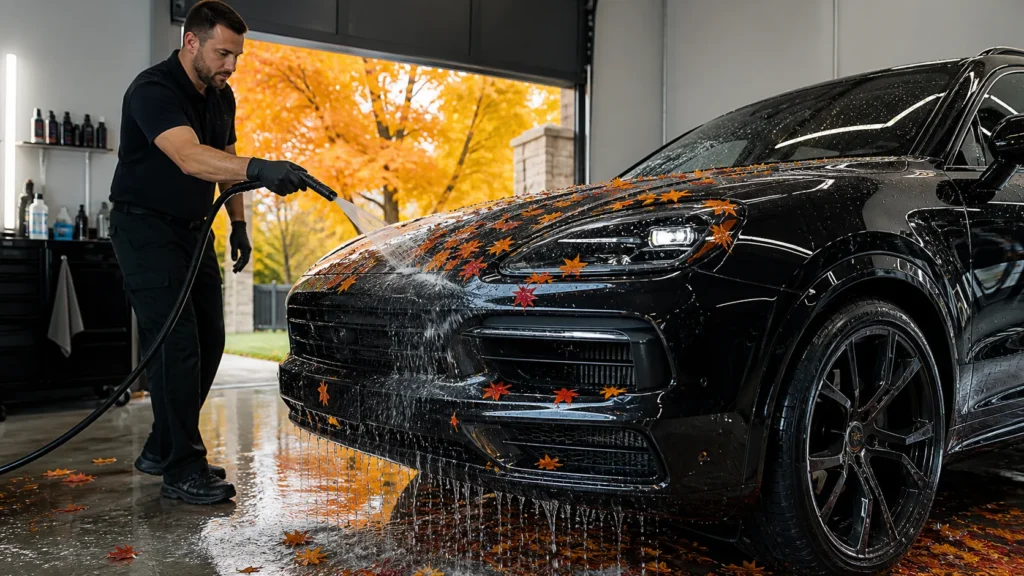
Protect Your PPF Before Fall Roads Get Rough
Ottawa fall roads can be tough on any vehicle, even one that already has paint protection film. One week you are in warm sun, the next you are driving through cold rain, wet leaves, and early road prep. All of that grime, sand, and temperature change can wear on your film if it is not cared for the right way. With a simple plan, you can keep your film looking clear and keep it doing its job.
Paint protection film is a smart way to protect your paint, but it is not magic. It still needs cleaning, inspection, and the right products, especially once fall hits. At Driving Emotions, we work with drivers across the Ottawa and Gatineau area who want their daily driver, truck, or performance car to look great for the long term. In this guide, we will walk through how to look after paint protection film in Ottawa during the fall driving season.
Why Fall Is a Stress Test for Paint Protection Film
Fall in our area often means big swings in temperature from day to night. Those fast changes can put cheaper films under stress and can expose weak installation work. You might notice edges starting to curl, slight lifting near badges or vents, or lines where film panels meet. When the film is already stressed, sand and dirt can work into those edges even faster.
Road and weather conditions also get messy in a hurry. Common fall issues include:
- Wet leaves that stick to rocker panels and lower doors
- Tree sap that lands on hoods and windshields in parked areas
- Bug splatter and bird droppings on front bumpers and mirrors
If these sit on the film for too long, they can stain the surface and make it dull. Highway commuters and cottage-goers see this most, since they often drive longer distances on dirty roads.
Early road prep creates another problem. Sand, gravel, and spot salting can act like sandpaper on the front end of your vehicle. Even with paint protection film in Ottawa, spots like the hood, front bumper, mirror caps, and rocker panels get hit hard. Good film is designed to absorb that abuse, but regular care helps it keep working and stay clear.
Essential Weekly Wash Habits for Fall Driving
A steady wash routine is one of the best ways to keep your film in shape through fall. Aim for a proper wash about once a week, and sooner after very dirty drives. A simple, careful process works well:
- Start with a strong pre-rinse to remove loose dirt and leaf bits
- Use a foam cannon or pH-balanced car soap to soften stuck grime
- Wash from top to bottom with a soft wash mitt
- Rinse very well, paying attention to seams and edges
Focus extra on wheel wells, rocker panels, and the lower half of doors. These zones collect sand, grit, and road film that can mark the surface over time.
To keep your film from getting scratched or damaged, it helps to pick the right tools:
- pH-neutral soaps that are safe for coated and filmed surfaces
- Soft microfibre wash mitts and drying towels
- Grit guards in your wash buckets to keep dirt at the bottom
Try to avoid harsh degreasers, stiff brushes, and random solvents. These can dull the film or cause lifting at the edges if product seeps under.
For busy drivers, touchless washes can be helpful, but choose them with care. Avoid options that advertise strong acids or heavy-duty wheel cleaners on the main body. If you are using a pressure washer, keep the nozzle at a safe distance and avoid spraying directly into film edges or seams.
After a long highway run in rain or on wet, dirty roads, try to wash the car within a day or two. This helps stop salt, tar, and grime from baking onto the film.
Dealing with Stains, Chips, and Minor Damage
Even with good habits, fall grime sometimes sticks. When you see bird droppings, tree sap, tar, or heavy bug splatter on your film, treat it as soon as you can. Gently soak the area with warm, soapy water and allow it to sit for a short time before wiping. A soft microfibre towel and light pressure are key. If the mark is stubborn, it is safer to ask a professional than to scrub harder.
Many modern films are self-healing when they are warmed up. This can help with:
- Light swirl marks from washing
- Fine scuffs from road grime or brushes with shrubs
- Minor marks from people brushing against the car with bags or coats
To help those marks fade, you can let the car sit in the sun, or use warm water during a wash. This gentle heat helps the surface of the film relax and clear up. Deep scratches, sharp rock strikes, or torn edges will not heal on their own and need inspection.
At Driving Emotions, we look closely at each damaged area. For small chips or local tears on the film, a spot repair may be possible. If a full impact zone is peppered with rock hits or there is clear lifting along a seam, replacing that panel of film is often the better choice to keep protection and appearance consistent.
Preparing Your Film for the First Frost and Winter Salt
Fall is the perfect time to get your film ready for the long winter ahead. A focused pre-winter service for vehicles with paint protection film in Ottawa often includes:
- A thorough decontamination wash to remove stuck-on grime
- Light spot polishing where appropriate to tidy the film surface
- Application of a compatible top-coat or sealant for added slickness
A smooth, clean surface makes it easier to rinse away winter slush, salt, and sand. It also helps reduce how much dirt bonds to the film in the first place.
It is also wise to inspect edges, seams, and high-impact zones around late September and October:
- Any edges that are catching dirt or starting to lift
- Small pockets where contamination seems trapped under the film
- Hazy patches or uneven clarity that do not wash away
Catching these early gives more options for simple fixes before snow, ice, and road salt make things worse.
Pairing PPF with a suitable ceramic coating can add another layer of chemical resistance and slickness. This combo makes it harder for salt and grime to stick and makes wash time quicker throughout winter.
When to Call a Pro at Driving Emotions
Some issues are better handled by a pro instead of at home. It is a good idea to book a visit if you notice:
- Visible lifting at any film edges or corners
- Yellowing, haziness, or patchy clarity that does not improve after washing
- Stubborn stains that do not respond to gentle cleaning
- Impact damage that looks deeper than light scuffs
A professional fall checkup at Driving Emotions gives your vehicle a full inspection based on local Ottawa driving conditions. We can suggest a maintenance plan that fits how and where you drive, choose products that are safe for your specific film, and handle repairs or replacement where needed. This kind of attention before winter hits can help you avoid bigger paint and film problems once the snow, slush, and salt arrive.
Protect Your Vehicle’s Finish With Expert Care Today
If you are ready to keep your paint looking newer for longer, our team at Driving Emotions is here to help. Explore our paint protection film in Ottawa to find the right level of coverage for your vehicle and driving needs. Have questions or want a tailored recommendation before booking? Simply contact us and we will walk you through your best options.